


For many dealership owners, succession is not a question of if but when. Too often, though, planning begins only after a triggering event, a health concern, an unsolicited offer, or family pressure. By then, options narrow, and stress rises.
After nearly four decades in automotive leadership, I’ve learned that strong transitions rarely happen by accident. They’re built the same way strong dealerships are: through disciplined planning, trusted relationships, and a long-term perspective.
Succession planning is not simply choosing a successor. It’s preparing that person to lead and preparing the organization to follow them.
Even when the right successor is identified, one factor ultimately determines whether a transition works: the owner’s willingness and readiness to step aside and/or accept change. Moving from primary decision-maker to mentor and advisor is often the most difficult shift. For many entrepreneurs, the dealership is more than a business. It represents decades of risk, sacrifice and identity.

Handled thoughtfully, however, succession doesn’t diminish the founder’s influence; it reshapes it. Experience remains accessible while the next generation gains the authority to lead.
Alignment Matters More Than Lineage
In family-owned dealerships, succession can feel natural. Many successors grew up in the business, washing cars, working summers in sales, or sitting in on meetings long before taking formal leadership roles. That early immersion builds cultural continuity, credibility and familiarity with the team.
But family is not the only path to a successful outcome. Some of the most effective transitions I’ve seen involved long-time operators or equity partners who earned trust over years of performance. In those situations, alignment mattered more than a last name. Shared values, commitment to employees, and a clear long-term vision carried the weight.
When alignment is strong, manufacturers feel confident. Lenders see stability. Employees stay engaged. Customers experience consistency. When alignment is weak, even within a family, the strain eventually surfaces.
Timing Is a Strategic Advantage
It is rarely too early to begin succession planning. In fact, the smoothest transitions typically begin years before any formal change occurs.
Over the years, I’ve had more than one dealer tell me some version of, “I’ll slow down when I’m ready.” In many cases, they fully intended to plan, just not yet. Then circumstances intervened. A health concern, a market shift, or an unexpected life event accelerated the timeline.
Often, the successor was capable. The store was solid. But key conversations had been delayed. Ownership structures hadn’t been fully clarified. Family expectations weren’t fully aligned. What could have been a measured, strategic transition suddenly became reactive. More often than not, things ultimately worked out. But they were far more stressful and more disruptive than they needed to be.
That pattern has reinforced something I’ve seen repeatedly: early planning creates flexibility. It provides time to deliberately develop leadership, clarify ownership structures, address estate considerations, and introduce successors to key manufacturer and lender relationships. It also creates space for candid family discussions before emotions are heightened.
When planning is delayed until circumstances force action, the process can quickly shift from strategy to survival. Families may disagree. Leadership teams can lose direction or even leave the organization. Outside stakeholders may seek reassurance.
Proactive planning preserves control. In some cases, it confirms a generational handoff. In others, the best path for a family-owned dealership may ultimately be a sale. There is no universal formula, only the decision that best protects the legacy, the employees, and the family’s long-term well-being. The key is making that decision deliberately, not under pressure.
Blending Experience with Innovation
When generational transitions are handled well, complementary strengths often emerge.
The next generation frequently brings sharper instincts around digital retailing, data analytics, CRM strategy, and evolving consumer expectations. They are typically comfortable adopting new systems and technology, an advantage in today’s competitive landscape. At the same time, the foundational characteristics of high-performing dealers have not changed.
Top operators, regardless of generation, remain deeply engaged in shaping culture. They build teams that reflect their values. They insist on consistency across every customer touchpoint, from the showroom to the service drive. In strong organizations, trust and transparency are not marketing themes; they are operating standards.
High-performing dealers also understand their Primary Market Area at a granular level. They know their volume trends, market penetration, and customer loyalty metrics. They monitor performance carefully, observe their operations first-hand often and adjust quickly when necessary. They do not accept average results.
Just as important, they remain students of the business. Even after decades of success, they continue to learn and refine their approach. That humility is often what separates good operators from great ones.
Leadership as Stewardship
Succession planning reflects the same principles that drive dealership performance: discipline, accountability, and long-term thinking. It requires honest self-assessment. It requires candid conversations, sometimes uncomfortable ones, about readiness and timing. And it requires humility: the recognition that leadership is stewardship.
The goal is not simply to exit a business. It is to ensure the organization continues to thrive, that relationships remain strong, and that the legacy built over decades is strengthened, not diluted.
For dealership owners, succession is not the final chapter. When approached strategically, it becomes the beginning of the next one, protecting enterprise value, preserving continuity, and positioning the dealership for sustained success in an evolving automotive landscape. It’s many of these successful strategies that continue to excite me and fuel my good relationships within the auto industry.
Related Stories:
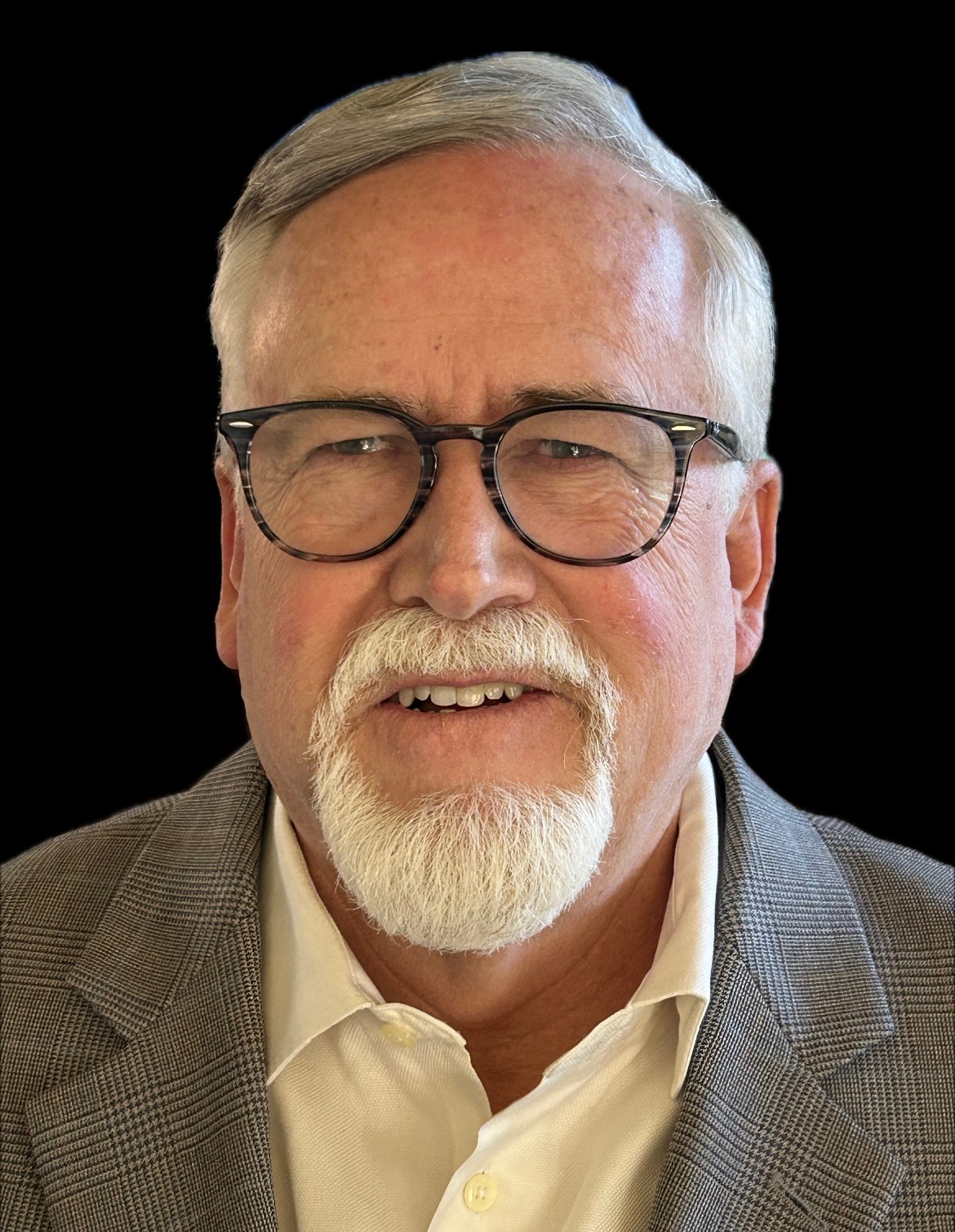 Dennis J. Thornhill is Executive Advisor with Pinnacle Mergers & Acquisitions. He joined Pinnacle in 2025 after nearly four decades of leadership experience at Toyota Motor North America.